
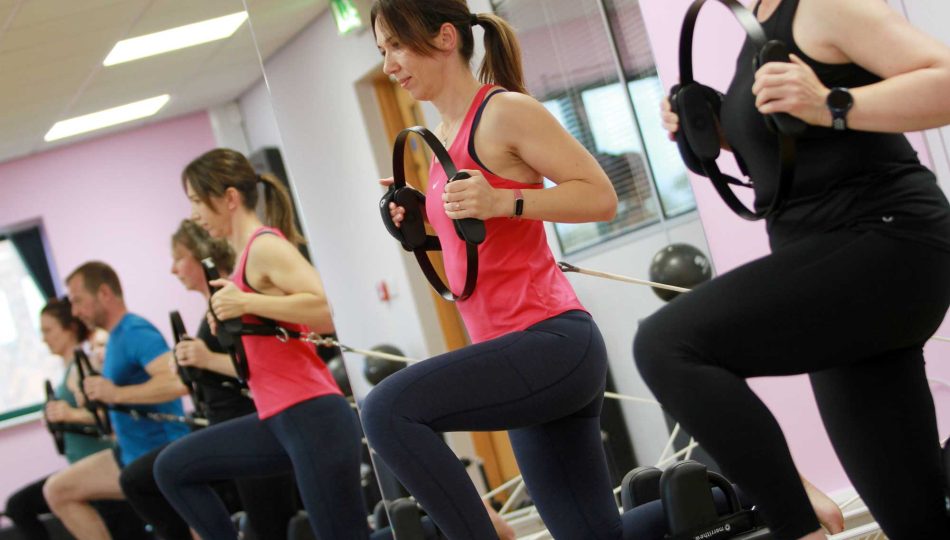
Hormonal changes during perimenopause and menopause can affect energy levels, strength, sleep and overall wellbeing.
The right type of exercise can play an important role in supporting women through this stage of life.
What happens during perimenopause?
Perimenopause is the transitional stage before menopause and typically occurs between ages 40 and 50.
During this time hormone levels fluctuate, which can lead to symptoms such as:
- fatigue
- reduced muscle mass
- weight gain
- reduced bone density
- mood changes
Exercise can help support both physical and mental wellbeing during this time.
Why strength training becomes essential
From the age of around 30, women naturally begin to lose muscle mass.
During menopause this process can accelerate.
Strength training helps:
- maintain muscle mass
- support bone density
- improve metabolism
- increase overall strength
This makes it one of the most important forms of exercise during midlife.
How Reformer Pilates supports women’s health
Reformer Pilates is particularly beneficial during perimenopause and menopause.
It focuses on controlled movement, core strength and joint stability.
Benefits include:
- improved posture
- increased flexibility
- improved muscle strength
- reduced joint pain
- improved body awareness
Supporting hormone health through movement
Exercise can also help regulate stress hormones and improve sleep quality.
Movement supports:
- mood regulation
- cardiovascular health
- metabolic function
- energy levels
Consistency is more important than intensity.
Women’s health fitness in Nantwich
Moveology Studio provides expert-led movement programmes designed specifically for women’s health.
Through strength training, Reformer Pilates and educational workshops, we help women feel stronger, more confident and supported through every stage of life.